Dementia “Suffering” Terminology -Part 2

819 blog 20151203 Suff2a 3in125ppi

Quick summary of this blog entry:

Regarding restriction of term “suffer” in connection with the dementia experience, continued from earlier blog this week (link bottom of page).

  •  I agree with the goals for this language guideline;  to prevent stigma of profiling the dementia diagnosis as instantly totally debilitating and characterized by life-style of trauma
  •  I question productivity of attempt to change definition for term “suffer” in meeting this goal, which has become the red flag of conflict.
  •  It seems current attempts at language guidelines are in a no-win WAR with un-productive polarization of views within community of Persons With Dementia (PWD)  … and also within support, care-partners and journalistic sector, … and rampant antagonism due to mis-understandings in both communities.  But I don’t think dropping this project will rectify the antagonism that has now developed.
  •  So in order for the “suffer” vocabulary change to succeed, I think we need to come up with some method of communicating what people are seeing now as only the “small print” — the details which are sometimes un-written.

PERSONALLY,  this is currently how I see these details that need communicated (in Dec 2015 but subject to change as have not discussed with anyone else, and hope to avoid this subject again for a long time):
A. We recognize this is a change to the dictionary definition of verb “suffer”, but feel the results may be worth the effort, in order to prevent stigma of profiling the dementia diagnosis as instantly totally debilitating and characterized by life-style of trauma.
B.  Gather support from medical community to exclude ALL medical conditions in definition of “suffering”, as merely from having the condition.
C. We are asking the rest of the world to eliminate their use of term “suffer” from “dementia” vocabulary, but persons with dementia symptoms still have the freedom to describe their own symptoms in any way they see applicable to self.
D. We are not denying existence of various types of pain and unpleasant events (financial, social, emotional, etc) in the dementia experience, merely stating that each experience of pain or unpleasant event is different for each person, and each person is different in how they react or respond to the various types of pain and unpleasant events.
819 blog 20160202 sufferer3b 3in100ppiUPDATE:
Finished part 3 of this subject in 2016
at https://truthfulkindness.com/2016/02/02/sufferer-part-3-the-linguisticcommunication-issues/

…   *  …   *   …

Full Blog Entry:

Tru here.  Hoping to clarify my blog from earlier this week, and maybe eliminate some misunderstandings.  The two blog entries this week are the first time I have addressed subject of “suffering” terminology since 9 months ago in February, with https://truthfulkindness.com/2015/02/24/dementia-change-priority-pathways/ , where I included one paragraph on the subject, beginning with the following statements:  Don’t get me wrong; yes, I “suffer” from my dementia symptoms.  And please do not complain about me using that term; as a Person With Dementia I personally am the ONLY person who has the right to say whether I suffer from my dementia symptoms. …  ((At that time I was under the working diagnosis of “dementia” but that working diagnosis was later changed to Mild Cognitive Impairment –MCI.))

The reason I said that is because shortly after my tentative “dementia” diagnosis, I had been admonished (maybe 2013 ?) by a couple folks for using the term “suffer” in connection with my own symptoms, along with correcting me for inappropriate use of the term “patient”. So I researched origin of these restrictions. It was all very confusing and I am still not able to remember all the new “rules”. The primary result of these admonishments was that I was more reluctant to speak in public, for fear of forgetting or mis-application of the new politically-correct terms.

It is easy to understand why others would feel need to admonish – they generalized (mis-understood?) this instruction as saying:
1. Collectively, the majority of Persons With Dementia (PWD) are offended by term “suffer”. (Personally I think this is a misunderstanding of guidelines, since I don’t think any current PWD gathering has the ability to represent “majority of PWD”; that would be a gigantic undertaking, as I explain at bottom of this blog entry.  Mostly these guidelines represent opinion of small groups of Persons With Dementia, and there is far from universal agreement on them.)
2. Collectively, majority of Persons With Dementia (PWD) believe that they do not experience “suffering” events of any type from their dementia symptoms; physical, mental, emotional, social, financial; no “suffering” occurs. (Personally I think this is a misunderstanding of guidelines  … but often unclear.)
3. The term suffering should not be associated with the dementia experience, either in written or verbal form, by anyone.  (Again, personally I think this is a misunderstanding of guidelines, because I believe PWD speaking of their own lived experience was meant to be an exception.)

Among PWD, just as the rest of public population of the globe, there are many different perceptions of the verb “to suffer”.  While growing up, my father had a hobby for dictionary and encyclopedia, so we frequently addressed them as resources.  Expectation was that vocabulary usage would comply with dictionary definitions.  I opened blog entry from earlier this week with dictionary definition, so will not belabor the point.  https://truthfulkindness.com/2015/12/01/drt-yield-communication-priorities-pwd-suffering-terminology/
Lately I have discovered several PWD perceptions of term “suffer”:
A. Limited to experiencing physical pain (not including mental, emotional pain, etc).
B. Limited to the (voluntary or involuntary) reaction or response to those unpleasant or painful events of life (not the events themselves).
C. Physical, mental or emotional events that are unpleasant or painful (but not medical condition).
D. Unpleasant/painful events in any type of categories (physical, mental, emotional, social, financial, etc) OR a medical condition — whether involving unpleasantness or not.
This last perception most clearly matches dictionary definition for “suffer”, and thus for the noun use of “one who experiences suffering” = “sufferer”.  All persons have a different perception of words, with large variation in location and culture, thus the need for dictionaries.  And so goes the changing nature of language when language usage changes — especially when we are talking about a large landscape like the full globe.

Early in my dementia experience, I was part of a PWD conversation for subject of terminology to find out what the CURRENT thoughts were in this particular group of Persons With Dementia (PWD).  After listening to others, when opinions were asked for I really wanted to speak.  But I had not prepared a statement for my thoughts on the subject (so it would have ended up unproductively scrambled and no one would understand what I was talking about) and PWD emotions were so strong in the meeting that I was unwilling to create conflict – so I kept my mouth shut and went with the flow. I guess they call that “peer pressure” and wonder how many others were thinking the same thoughts. I understand goals and rationale of the language guidelines. It’s just that personally I am not in the least offended by dictionary meaning for term “suffering”.  I think it an appropriate term and am concerned that this action might create a no-win result. I AM offended by several other terms, but recognize that as my own problem with my own perception of language.  https://truthfulkindness.com/2015/07/07/feeling-left-out-with-dementia-symptoms/.  I know there is large disparity in local or cultural usage of terms, and question the productivity of attempt to change vocabulary on a global level. Despite that fact, I was one of the contributors toward USA DAA document http://daanow.org/wp-content/uploads/2015/09/Living_Fully_with_Dementia-Words_Matter__9.9.2015.pdf in July 2015.

Currently, I think the language efforts to eliminate use of term “sufferer” are counter-productive, but in large extent due to mis-understandings of those guidelines.  I think this attempt might be more successful if it was bluntly recognized as an attempt to change the definition of term, and support was gathered first from medical community to exclude ALL medical conditions as “suffering” merely from having the condition (category number 2 in definition for each of the three dictionaries I checked online).  The term “suffer” now seems to be creating a red flag of un-productive polarization and rampant antagonism, I think mostly from mis-understandings.  The perception is that the guidelines are implying that experience of dementia, and experience of discomfort or any type of pain are mutually exclusive, which is inaccurate  — but nevertheless that is what folks think is being said.  Some folks then are offended at trivialization for pain of their own dementia symptoms or their loved-ones’ experience — and other folks accept that misunderstood trivialization as fact, assuming that the dementia experience is merely a minor irritant.  Either way it creates huge problems and a no-win scenario, but, again, as mis-understanding of guidelines.

The original goals of these projects are very valid concerns.  The projects are creating a big stir, but I think something different is needed in order to clarify the huge misunderstandings currently created.

We cannot reverse time and undo this effort (despite my own misgivings on whether success on this effort will meet the need in any meaningful way for preventing stigma of profiling the dementia diagnosis as instantly totally debilitating and characterized by life-style of trauma).  So in order for the “suffer” vocabulary change project to succeed, I think we need to come up with some method of communicating what people are seeing now as only the “small print” — the details which are sometimes un-written.
PERSONALLY,  this is currently how I see these details that need to be effectively communicated (in Dec 2015 but subject to change):
A. We recognize this is a change to the dictionary definition of verb “suffer”, but feel the results may be worth the effort.
B.  Gather support from medical community to exclude ALL medical conditions as “suffering” merely from having the condition.
C. We are asking the rest of the world to eliminate their use of term “suffer” from “dementia” vocabulary, but persons with dementia symptoms still have the freedom to describe their own symptoms in any way they see applicable to self.
D. We are not denying existence of various types of pain and unpleasant events (financial, social, emotional, etc) in the dementia experience, merely stating that each experience of pain or unpleasant event is different for each person, and each person is different in how they react or respond to the various types of pain and unpleasant events.

Hopefully this entry clarifies my thoughts on this subject for a while, and I can put this subject way back on back burner.  I see my mission as: to reflect Truthful Loving Kindness while collecting and analyzing data about myself and my own dementia symptoms, writing about them weekly in this blog.  I collect projects by other PWD (Persons With Dementia) and make various pieces of that collection available to others, both by creating pages on my blog for others, https://truthfulkindness.com/index-persons-with-dementia-pwd/  and on a monthly basis thru the online collection of links called the dementia “Symptom Perspectives” https://paper.li/f-1408973778 creating a categorized database of material for professionals to easily find PWD lived experience and opinions.  Considering the extra time consumed by my own mistakes and complications from symptoms, this requires many hours of my week.  When able to hold a job, my work-week was frequently 60 hours plus 2hrs transit time each day, and I am sure that I have less “free time” now than I had then (spouse agrees).  Political aspects like politically-correct language are not in the top priorities for my mission, so must stay on the back burner.  That is why it has been 9 months since I addressed this issue at all.  And with this entry I hope to leave it behind me for many more months.

Links:
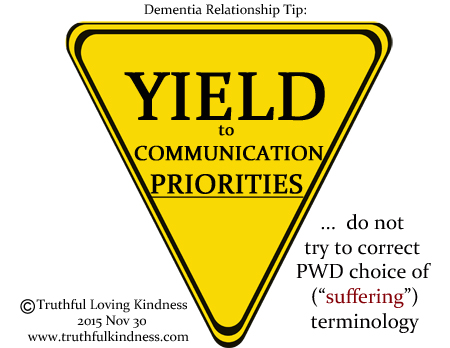
819 blog 20151130y 3in150ppi…  Part 1 of this subject:

https://truthfulkindness.com/2015/12/01/drt-yield-communication-priorities-pwd-suffering-terminology/ (with comments);

(( I think neither bullying nor quietly simmering resentment is productive to goals for co-workers in efforts for dementia awareness and inclusion of PWD voice.  Since I am personally very uncomfortable with conflict, I am now working on Part 3 installment for this subject; still hoping for some unifying constructive effort that could possibly be agreed upon by most PWD at least.  LOL; Not only do I dislike to participate in competitive sports, even board games feel like conflict for me … so being “in the middle” for this “debate” is very uncomfortable and actually unhealthy for my stress level.))
819 blog 20160202 sufferer3b 3in100ppi

Part 3 of subject: https://truthfulkindness.com/2016/02/02/sufferer-part-3-the-linguisticcommunication-issues/


Alz Society announcement Nov 26, 2015 at https://www.facebook.com/alzheimerssocietyuk/photos/a.137638944646.108007.8270524646/10153669215994647/?type=3&theater (with 74 comments);


819 blog 20150707a 4in150ppi… Terms I personally find offensive:

https://truthfulkindness.com/2015/07/07/feeling-left-out-with-dementia-symptoms/;

DAA in USA:  http://daanow.org/wp-content/uploads/2015/09/Living_Fully_with_Dementia-Words_Matter__9.9.2015.pdf

DAA in UK:  http://www.dementiaaction.org.uk/dementiawords;

Australia Guidelines:  https://fightdementia.org.au/sites/default/files/full-language-guidelines.pdf;

DEEP Guidelines:  http://www.youngdementiauk.org/sites/default/files/DEEP-Guide-Language.pdf;

June 23, 2014 DAI webinar: Words About Words at https://www.youtube.com/watch?v=5b1pD_WSn3w;

My most recent mention of “suffering” issue (in February) https://truthfulkindness.com/2015/02/24/dementia-change-priority-pathways/;

Another interesting link (by Nick Cohen):  http://blogs.new.spectator.co.uk/2014/06/the-cheating-language-of-equality/

Note:  For long-range projects on “collective” opinion, peer pressure is a big concern of mine, along with individually-tailored, multi-format of address to Persons With Dementia.  Yes; would love to see some kind of collective statements on language — but would need gigantically huge outlay of time and energy to come anywhere even close to that goal, because each individual’s symptoms affect communication in a different way.  Some folks’ symptoms create more problems in group visual chat format.  Some folks no longer have the ability to communicate well in written format, and some folks need one-on-one visual format.  Other folks’ symptoms are too advanced for technological use, or they do not have access to technological tools in order to communicate easily, and then transportation issues come up.  I think any type of collective statement would need to be large scale in number of participants, locality/culture of participants, and with a wide range in symptom-severity of participants.  Otherwise it becomes a mixture of popularity contest and who speaks loudest with the most emotion.  Neither of these options will produce a true “collective” representation for opinions of Persons With Dementia.


819BMPB 1989Feb Damn 3x4in130ppi10hrs on text, & 2hrs trying to recycle background graphic

from my piece titled “Damn, It Hurts !”

link at  https://truthfulkindness.com/bnp/part-2/2e/1989-feb-damn-it-hurts/

;

* Admin issues: SHARE dementia awareness thru buttons below. Feel free to leave your thoughts in the form of comments, but please filter your comments with truthful loving kindness to all concerned. If interested in receiving notice of future blog postings, subscriptions are available through a “follow” button in the upper left corner (MS Explorer) or lower right (Safari, Mozilla Firefox and Chrome). If there is an advertisement below, I have no control over what is shown. My own full legal name is Truthful Loving Kindness. My current clinical diagnosis is Mild Cognitive Impairment. Text for this page took 10 hours, and another 2 hours trying to recycle background for graphic.  Copyright 2015-12/03.

MyFreeCopyright.com Registered & Protected

alzheimers best blogs badge
Healthline

DRT: Yield to communication priorities; PWD “suffering” terminology

819 blog 20151130y 3in150ppi

Tru here.  Been hesitant to blog on the issue of term “suffering”; don’t want to increase tension within the community of persons with dementia symptoms, or even worse, decrease effectiveness of efforts on stigma.  And yet each of us SHOULD be allowed to describe our experiences, and describe them without fear of reprisal for the sake of political-correctness.

To “suffer” as transitive verb = used WITH object ((such as term “dementia”)):  1. to undergo, be subjected to, or endure (… anything unpleasant);  2. to undergo or experience (any action, process, or condition);  3. to tolerate or allow (per dictionary.com).

To “suffer” as intransitive verb = used without object:  1. to undergo or feel pain or distress;  2. to sustain injury, disadvantage, or loss;  3. to undergo a penalty;  4. to endure pain, disability, death, etc patiently or willingly (per dictionary.com).

“sufferer” (deverbal noun) is one who suffers.  (may be for a moment or may be as a life-style / occupation)

Every being suffers; it is part and parcel of being human or animal.  We all have injuries, conditions, disadvantages, and/or endure unpleasant sensations, both mentally and physically … and that is the basic definition of “suffer”.  To pretend otherwise is just … pretend.  From what I read it seems we wish to change the definition of “suffering” to exclude the condition of “dementia”.  With current definition, I think the greater the person’s awareness of loss … then the greater their suffering.  And to wish away awareness of loss … inevitably also wishes away appreciation of those things that you are in the process of losing, but still retain in part.  Instead, I mindfully lean into grief in order to fully appreciate what remains.

Dementia is a gradual, slow loss process, and both of my grandmothers were aware of the process enough to be mentally tortured by grief.  I cannot imagine anyone going thru this loss process without suffering, according to current dictionary definition.  As shown above, by very definition, even the purely physical process of losing brain mass and loss of abilities, without any attendant mental or physical pain, is currently part of definition for term “suffer”.  So the attempt seems to be a blatant attempt to change definition of term, “suffer”.

I have talked to a few other PWD (Persons With Dementia) who feel that term “suffering” is very descriptive of their own current dementia experience, and we have been told not to describe our experiences in that way … but in order to counteract stigma we should instead throw our dementia symptoms into a positive perspective as much as possible.  We should not truly distort our experience, … but only telling one side of an experience becomes a distortion.

I think it is important to show multiple aspects of dementia symptoms.  Showing ONLY the Success Stories with positive coping tools that might still work for a while … is just as untruthful as showing ONLY the “suffering” of dementia symptoms.  Neither, without the larger perspective of the other, is being real; not being “truthful”.  Without complete perspective there is imbalance in the tightrope of “truth”.

I don’t know how many PWD gathered to make the decision that term “suffer” should be eliminated from use with regard to the dementia experience.  (So can people still “suffer” from physical injuries, conditions of cancer, arthritis, and other conditions?  And then, on the other side of the coin, they expect dementia to be perceived with enough severity to validate legalizing end-of-life desires?  Dementia symptoms cannot simultaneously be only trivial discomfort … and reason to facilitate termination of life!)  I don’t know when decision was made, and how it was taken to represent opinion of all PWD for all future, but I have not addressed the issue until now, because I wanted to avoid additional friction.  I just think this particular effort is bluntly trying to change the definition of term “suffer”.  To pretend otherwise is just …. pretend.

…   *   …   *  …

I think the original idea was that the ONLY person who has the right to generalize the dementia experience as “suffering”, and the person as a “sufferer” … is the person who is themselves experiencing dementia symptoms; that no one who is not experiencing those symptoms themselves has the right to characterize them as “suffering” BECAUSE there are definite commonalities, but each person has different symptoms and experiences those symptoms differently.

(But, unless we deny physical brain changes shown by MRI and other various scans at point of death, I think this is still attempting to change the definition of “suffer”; the loss of brain mass and development of dys-Abilities in itself is “sustaining injury” and “enduring disability”, which are included in dictionary definition of “suffer”.  So even without any other effects like psychological grief, the dementia experience will constitute “suffering” according to current dictionary definition.)

Unfortunately, once people get this instruction to not characterize the dementia experience as “suffering”, many many people believe that it means, obviously the inverse is also true; persons with dementia must NOT be suffering … and the term should be eliminated from vocabulary for ALL people — including the person with dementia (PWD) who feels he/she is “suffering”.  … And in fact in the past few months I have been encountering people who think the dementia experience is really a minor thing.

These people believe that since there is no “suffering”, the major trauma is from the attitudes of people who do not have dementia toward PWD — which can be solved with education and then everything will be fine.  So what is there for folks to be upset over?  The attitude is to calm down and get a larger perspective where you can realize (or pretend?) that you are not really suffering.

…   *   …   *  …

Instead of changing the definition for term “suffering”, what is happening is that the dementia experience is being trivialized with the notion that there is no “suffering” in the dementia experience.

…   *   …   *  …

Wall Street Journal of November 30, 2015 said that American Psychiatric Association has replaced “dementia” with the broader, more accurate and less pejorative term “neurocognitive disorder” in the latest diagnostic manual.  Another doctor also implied that the term “dementia” is becoming a politically-incorrect term in some facilities within the USA, and the term “cognitive impairment” is the suggested alternative in her facility.  (see notes at bottom of page for references).  My only current diagnosis is “mild” cognitive impairment, but most possibilities of alternate reasons for my dementia symptoms have been eliminated, and since I already have several symptoms for it, Lewy Body Dementia is the primary suspected culprit, along with some vascular results on my MRI.  Without a “dementia” diagnosis I have no right to a voice in the issue of whether “suffer” is an appropriate term with regard to those who have a “dementia” diagnosis.  But I can say that personally:

  1. I am suffering (feeling distress, disadvantage or loss) when symptoms prevent sleep.  When my average night sleep is three hours and the cells of my brain and remainder of body are not able to renew and rejuvenate; running on an empty tank creates many mental and psychological complications. *
  2. I am suffering (feeling distress, disadvantage or loss) when I can no longer rely on what I see, smell, hear, and taste as being in any way associated with reality; when I must find another person to verify truth of my own experiences.  They say “seeing is believing” but I can no longer trust ME; I must seek out and then accept the word of another person when they say that I am not really hearing music, seeing insects, or smelling fire. **
  3. I am suffering (feeling distress, disadvantage or loss) when I must request names of my only two grandchildren, during their weekly visits. ***
  4. I am suffering (feeling distress, disadvantage or loss) when I wake up in bed and do not recognize the stranger in the bed beside me, just as my grandmother was suffering when she pled in tears, “Sister, I beg you not to leave me alone all night with this stranger — at least introduce me to this man” (who was her husband). ****

…  But I have been admonished by more than one person; told that it is inappropriate for me to use the term “suffering” in connection with my dementia symptoms.  These persons have never experienced anything beyond age-related memory loss and, believing there is no “suffering” involved, they consider dementia symptoms only a minor complication in life.  They are offended.  So I rarely speak of it.  Mostly I acquiesce to the current, politically-correct rules; so I do not speak of my experiences as “suffering” and I try to remember not to say the word “patient” unless I am speaking about something that happened in the medical office.  But truly, I am not able to remember all the new rules surrounding use of terms, so I need to just try to remember not to use the terms at all; more restrictions to add to already difficult sentence composition.  (You may note the number of hours required for me to compose each blog entry.)

My husband notes: “To prohibit a person from using their own terms to describe themselves is in fact forcing them to deny their SELF.”

… so I decided I would discuss it after all, because this is important.  It is crucial that we have the right to describe our feelings and symptoms as clearly as possible, for as long as we retain the ability to attempt communication.  Describing our daily experiences is one of the most significant contributions we have left to make.  How can you (as a person NOT experiencing dementia symptoms) understand what would be YOUR best course of actions in a relationship, if you do not hear and understand what the symptoms feel like?  Don’t admonish me for describing the “suffering” of my symptoms.  Don’t admonish me for describing myself as a “patient” within the context of Lyme issues, or Fibromyalgia, or my dementia symptoms … or even my dental symptoms.  Those actions only intensify my feelings of hopelessness for continued productive communication.  I feel like giving up and not even trying.

It seems like we already have enough problems communicating, so adherence to politically-correct terms needs to be ignored in the greater interest of communication despite advancing symptoms.  More restrictions of terminology create even greater confusion and even greater failure to communicate because we are already having word-finding problems before added constraints … and we are supposed to remember the NEW rules before we compose a sentence ??  (( sigh ))  — so why even try.

If you wish to maximize communication, then stop putting greater restraints on person with dementia symptoms … by correcting their choice of terminology.

…   *   …   *  …

This became Part 1 of several installments for “suffering” topic.
Part 2 is at https://truthfulkindness.com/2015/12/03/dementia-suffering-terminology-part-2/ .

  • * Able to sleep well this month, but like most of my LBD symptoms, my ability to sleep highly fluctuates.
  • **  Current hallucination most troubling is smell of dog poop — everywhere, and random timing.
  • ***  Newest symptom is not remembering names of grandsons.
  • ****  Now mostly in habit of NOT looking around when I get out of bed during night or early morning, because I will not recognize my spouse.


LINKS:
https://www.youtube.com/watch?v=QQNVwWM3u_8 has Doctor statement re terms “dementia” and “cognitive impairment” in her facility; and the Wall Street article about term “dementia” being replaced by “neurocognitive disorder” is at http://blogs.wsj.com/experts/2015/11/30/its-time-to-change-the-way-we-talk-about-aging/;

PWD Norrms wrote at http://tdaa.co.uk/suffering-or-living-with-dementia-you-decide-plz-rt/;

PWD Paul Hitchmough at http://www.onourradar.org/dementia/2015/08/19/people-cant-seem-to-say-what-they-think;

819BMPB 2001 Willow Tree only 4in100ppi

Focus on Essential Priorities at https://truthfulkindness.com/2015/02/24/dementia-change-priority-pathways/


PS:  I am way behind on newsletter and really busy this month so will read blog comments, but probably NOT respond to comments.

* Admin issues: SHARE dementia awareness thru buttons below. Feel free to leave your thoughts in the form of comments, but please filter your comments with truthful loving kindness to all concerned. If interested in receiving notice of future blog postings, subscriptions are available through a “follow” button in the upper left corner (MS Explorer) or lower right (Safari, Mozilla Firefox and Chrome). If there is an advertisement below, I have no control over what is shown. My own full legal name is Truthful Loving Kindness. My current clinical diagnosis is Mild Cognitive Impairment. Text for this page took 14.5 hours, and graphic another 1.5 hours, starting 9am on 2015-11/29 and ending 2015-11/30 at 11 pm.

MyFreeCopyright.com Registered & Protected

alzheimers best blogs badge
Healthline
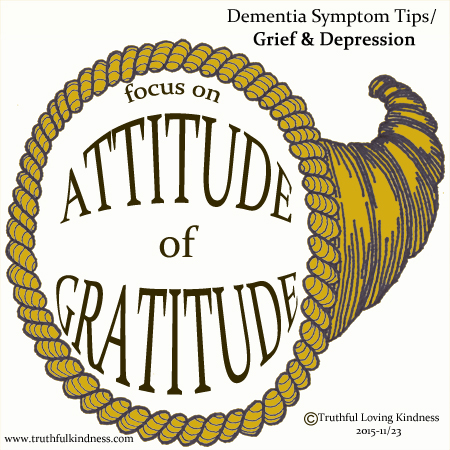
DST/Grief n Depression: Attitude of Gratitude

blog 20151123e 3in150ppi

Tru here.

Thanksgiving challenges have abounded this month.  In order to keep a larger perspective away from frustration and depression, I try to retain an attitude of gratitude EVERY day, but appreciate the opportunity to participate in formal, non-denominational and inclusive practice of giving thanks … within this context of dementia symptoms.

  1. First of all, I am thankful for a mission; an over-arching compelling need that must be met, to get me up and keep on keeping on every morning.  This gives me opportunity to stand up and speak out on the crucial role of those who have lived experience of dementia symptoms; to share the effects of those symptoms along with coping strategies that have worked for THEM, while they still retain those abilities to stand up and speak out. *
  2. Like all of us, some of my “friends” have dropped off along the way, but I am immeasurably thankful to those family and personal friends who generously share their time and energy in order to continue relationship with me — even when communication becomes more difficult.  Special thanks to those who learn about dementia symptoms enough to recognize the problems I am having … and participate in finding temporary coping tools.
  3. I am thankful for consisten encouragement from others who travel this path, such as fellow Dementia Mentors (www.dementiamentors.org/) and weekly visits with Harry Urban along with his inspirational daily blog, blogs from over 50 other PWD, and FaceBook friendship with many new friends.

“I could sit here and complain about all the things I lost and continue to lose
or maybe about all the stigmas and unjust things that happen to me
but I am thankful I can rise above that
and gives thanks to what I still have left.  …”
Harry Urban on 2014-11/26; 10yrs after diagnosis

Personally, focus on gratitude does not mean that I negate or even ignore grief.  Instead I mindfully lean into the grief in order to ENABLE an attitude of gratitude.  When grief comes due in its cycle, I mindfully acknowledge and experience those thoughts and emotions.  My current grief (and fear) is that I am forgetting names.  I only have two grandchildren, and I spend time with each of them every week, but this week had to ask my husband their names — several times.  As anticipatory grief, I appreciate that even fear can be a gift for prompting action, and I attempt to take appropriate action in coping tools.  There might be norms for the grief experience, but I recognize each person’s cycle of grief varies, along with their best methods to deal with it.  I acknowledge the fear this latest symptom brings.  I further revise my coping tools (again).  I cry.  I usually WRITE.  … and then I move on (for a while — until the next cycle).

4.  So I am thankful for you, dear reader.  You give me hope that the experiences can be used in some way to benefit others; that these experiences can become part of resource tools to enrich the relationships that are building blocks for all community.  Thank you for choosing to invest your time and energy, allowing my words to become tools.  Happy HAPPY Thanks-givings — every day of the year.  (( smile )).  — Tru

*= “Stand Up and Speak Out” was Richard Taylor’s phrase of 2011-June-04.

Note: I know a few people who have a prayer-like behavior of conscious thought.  When going to bed they will fix in their mind a conscious thought of something positive for the day.  Nice alternative for those who do not pray.

Quote:
“I greet you from the other side of sorrow and despair
with a love so vast and shattered it will reach you everywhere.”
–Leonard Cohen


For further detail see the following:

sunset 20141109 CLBS 6in150ppi

My posting “Melancholy Day” at https://truthfulkindness.com/2014/11/10/melancholy-day/;

Mick Carmody at http://carmodym59.com/2015/08/11/eventfull-and-fruitfull/;

819 blog 20150817c 5in75ppi

My posting “Path thru Loss …” at https://truthfulkindness.com/2015/08/18/loss-grief-choices-dementia-advocacy/;

Brian LeBlanc at http://abitofbriansbrilliance.com/2015/06/03/thank-goodness-my-long-term-memory-is-still-intact/;

Hero_Landg 3in150ppi

My Good-bye letter to my Service Dog at http://tribute.perfectmemorials.com/hero-service-dog;

Agnes Houston at http://www.onourradar.org/dementia/2015/09/16/so-thanks-to-all-you-angels-out-there-dementia-angels;

Faith Riverstone at https://stilllifewithdementia.wordpress.com/2015/09/10/words-like-life-jackets/;

Perth Speech byGRB 20150417a 4in200ppi… and my letter of thanks to Alzheimers Disease International at  https://truthfulkindness.com/2015/04/27/letter-of-thanks/;


* Admin issues: SHARE dementia awareness thru buttons below. Feel free to leave your thoughts in the form of comments, but please filter your comments with truthful loving kindness to all concerned. If interested in receiving notice of future blog postings, subscriptions are available through a “follow” button in the upper left corner (MS Explorer) or lower right (Safari, Mozilla Firefox and Chrome). If there is an advertisement below, I have no control over what is shown. My own full legal name is Truthful Loving Kindness. My current clinical diagnosis is Mild Cognitive Impairment. Text for this page took 4 hours, and graphic another 4 hours.

MyFreeCopyright.com Registered & Protected

alzheimers best blogs badge
Healthline
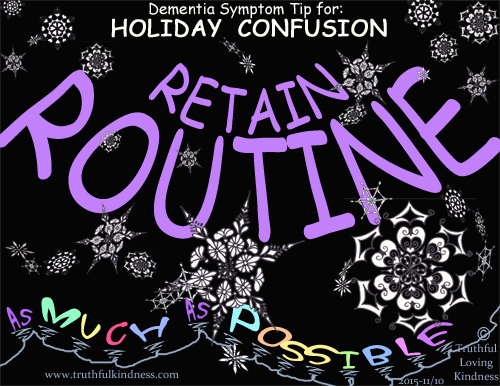
Holiday Confusion: Retain ROUTINE

819 blog 20151110a 4in125ppi

Tru here.

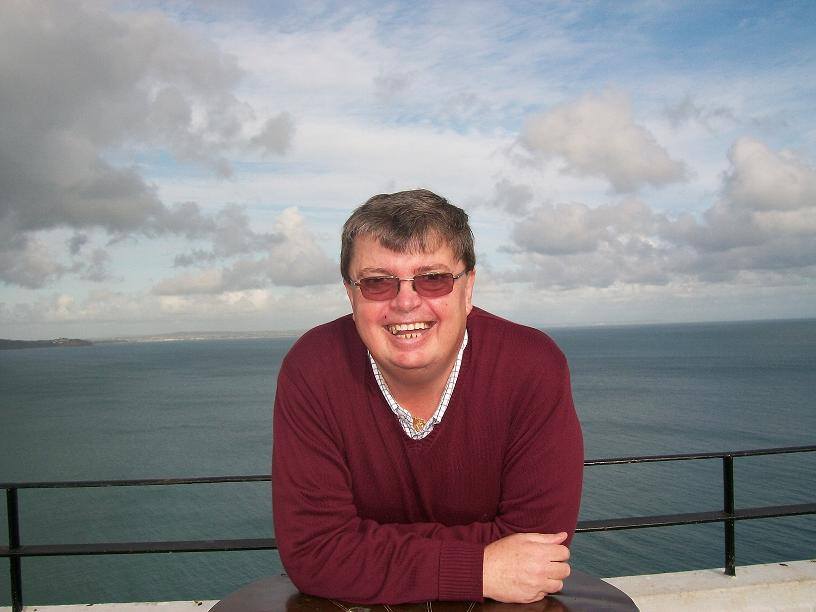
Winter HOLIDAYS are arriving, usually involving celebrations with family and friends, which can be very dis-orienting for us living with dementia symptoms.

My dementia symptoms continually progress, but they progress very slowly.  Progression is so slow that family and friends do not see a need for change on their part.   So they ignore the changes as much as possible and simply continue to love me.  It is a wonderful thing to continue to show me love and wish to spend time with me but the changes are happening whether you wish to acknowledge them or not.

Probably the largest contribution you could make to assist with the symptom of my confusion during these holidays is to understand the crucial effect of “background” noise, and my need for an equal time in a “quiet” place.  Personally i need quiet alone time before and after each short spurt of time gathering with a few family and friends.

DRT: No Such Thing as BACKGROUND Noise

… The second is understanding effect for loss of routine.

Sleeping time and routine to prepare for bed.
Eating time and routine
Dressing time and routine
Location of my supplies in fridge and bathroom.
Etc.

For further detail see the following:

819 Blog tree pwrLines 20150209a 6in

“Danger of Unusual Circumstances” (Written by Tru) at https://truthfulkindness.com/2015/02/09/danger-of-unusual-circumstance-storm/;

“Mix up my Routine = Mix up Me,” written by Laurie Scherrer at http://dementiadaze.com/2015/03/02/mix-up-my-routine-mix-up-me/;

“Routine, Routine, Routine”, written by Silverfox at http://parkblog-silverfox.blogspot.com/2015/09/routine-routine-routine.html;

“Getting Back to Normal??” written by George Rook at https://georgerook51.wordpress.com/2015/08/22/getting-back-to-normal/;

* Admin issues: SHARE dementia awareness thru buttons below. Feel free to leave your thoughts in the form of comments, but please filter your comments with truthful loving kindness to all concerned. If interested in receiving notice of future blog postings, subscriptions are available through a “follow” button in the upper left corner (MS Explorer) or lower right (Safari, Mozilla Firefox and Chrome). If there is an advertisement below, I have no control over what is shown. My own full legal name is Truthful Loving Kindness. My current clinical diagnosis is Mild Cognitive Impairment. Text for this page took 1 hour over 3 days, but graphic required 14 hours. Tags: alzheimers, dementia, holiday, person with dementia, PLwD, relationship, routine, symptoms . S&S: holiday .

MyFreeCopyright.com Registered & Protected

alzheimers best blogs badge
Healthline

Recent Pages by others with Dementia Symptoms 2015 November 03

819 blog 20151103a 3in100ppi 

Listed alphabetical by subject: Advocacy, Communication, Perspective, Relationships, Spiritual, and Symptoms 

These are newest pages that I have posted from persons with dementia symptoms
who have shared their lived experience thru words or projects.

(I add the word “symptoms” because not everyone uses the same vocabulary;
my collections include pages from those with diagnosis of
Mild Cognitive Impairment as well as Alzheimers, Lewy Body, Vascular and other types of “dementia”)

I thank each of you for your generosity of letting the public into your private world !
My hope is that your perspectives can be applied to help and encourage
other patients, care-partners, and professionals.

Suggest Right-click the TEXT underneath the description, and select “open-in-new-tab”,
which allows you to return to your original page, by clicking tab at top of window.

616 HarryU UnitdAgnstD 20150818a

Advocacy from Harry Urban at  https://truthfulkindness.com/index-persons-with-dementia-pwd/harry-urban/advocacy-oct-2015/;


616 Lauren n Tru pic 20151022b 5in70ppi

Communication from Lauren U at https://truthfulkindness.com/index-persons-with-dementia-pwd/lauren-u/oct-2015/;


616 HarryUrban pic 201505

Perspective from Harry Urban at https://truthfulkindness.com/index-persons-with-dementia-pwd/harry-urban/perspective-oct-2015/;


616 HarryU pic4FMN20150928b 5in100ppiRelationships from Harry Urban at https://truthfulkindness.com/index-persons-with-dementia-pwd/harry-urban/relationships-oct-2015/;

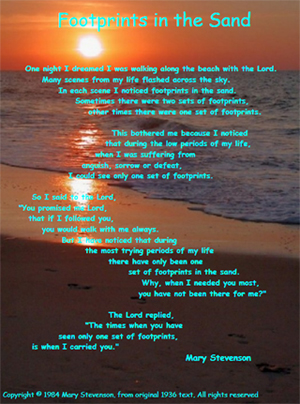
616 Footprints 4in075ppi

Spiritual Life from Harry Urban at https://truthfulkindness.com/index-persons-with-dementia-pwd/harry-urban/spiritual-oct-2015/;


616 HarryUrban pic 201505

Symptoms from Harry Urban at https://truthfulkindness.com/index-persons-with-dementia-pwd/harry-urban/symptoms-oct-2015/;

* Admin issues: SHARE dementia awareness thru buttons below. Feel free to leave your thoughts in the form of comments, but please filter your comments with truthful loving kindness to all concerned. If interested in receiving notice of future blog postings, subscriptions are available through a “follow” button in the upper left corner (MS Explorer) or lower right (Safari, Mozilla Firefox and Chrome). If there is an advertisement below, I have no control over what is shown. My own full legal name is Truthful Loving Kindness. My current clinical diagnosis is Mild Cognitive Impairment. Each writer retains full copyright for material on linked pages.

MyFreeCopyright.com Registered & Protected

alzheimers best blogs badge
Healthline
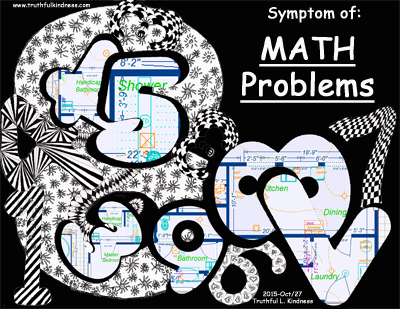
Symptom of Math Problems

819 blog 20151026b 4in100ppi

Tru here.
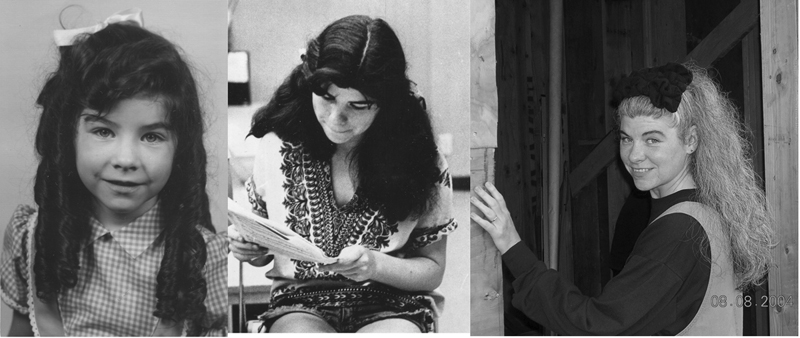
There is something very satisfying about numbers.  They are solidly logical concepts, and calculations are mostly right or wrong; there is not much gray.  By ten years old, I was pulled out from regular math class and in advanced math.  Then I switched schools and there were no advanced classes, so I spent several years reviewing known math material and with focus on the arts instead.  Lost my momentum and by high school I was entirely lost for geometry or calculus, but still graduated high school as Business Student of the Year.  Most of my professional years were spent at various roles in Accounting departments, again working with numbers.  Finally, I designed and submitted all blueprints for our two-story home, and then our neighbors asked me to do the blueprints for their two-story home also (which they themselves wanted to design).

Surprise; one of my major dementia symptoms is something that I previously excelled in; numbers.

A year or two ago, I still had concepts for up to about 100, but now the limit gets closer and closer to 10.  … and if words are inserted into the equation (ie story problems) then I am a complete blank.  Now I cannot recognize numerical concepts for much above 12.  Above 12, I am mostly limited to recognizing “lots” and “little” … or “less” and “more”.  If written with numerals, then I can always recognize less or more (ie 37 is less than 73) but if I am hearing as words, or written out as words then often cannot even recognize less and more.

I have retained more writing skills than many of my dementia friends, but lost more of my math and reading skills than most of my dementia friends (the two areas in which I excelled during grammar school).  Most days, I think I am probably pretty solid at about 5th grade for both math and reading.

… So guess what?  I don’t “do” numbers any more.  Husband now does all the bills, banking, etc.  My name has been removed from accounts in order to assure I do not forget and spend more than what we have available for income.

I miss the satisfaction of having a spreadsheet that nicely balances with all verifications.  I miss the precision, but I substitute with other things I consider important.  … I now focus on the arts; mostly the art of writing.  The art of documenting as much as possible in dementia symptoms of self and others … along with coping mechanisms in order to live a full life.

Because life is more than being “right” and “accurate”.  I think the building blocks of life are relationships.  This loss forces me to focus on exactly that; relationships.  (( smile )).

Applicable Links:

819 blog 20160315 copy.

“Partnership with Time”

at >>>  https://truthfulkindness.com/2016/03/15/partnership-time/

.


* Admin issues: SHARE dementia awareness thru buttons below. Feel free to leave your thoughts in the form of comments, but please filter your comments with truthful loving kindness to all concerned. If interested in receiving notice of future blog postings, subscriptions are available through a “follow” button in the upper left corner (MS Explorer) or lower right (Safari, Mozilla Firefox and Chrome). If there is an advertisement below, I have no control over what is shown. My own full legal name is Truthful Loving Kindness. My current clinical diagnosis is Mild Cognitive Impairment. Copyright 2015- Oct 27. 2hrs/text + 9hrs/pic.

MyFreeCopyright.com Registered & Protected

alzheimers best blogs badge
Healthline
Recent Pages by others with Dementia Symptoms 2015 October 19

819 blog 20151019a 3in110ppi

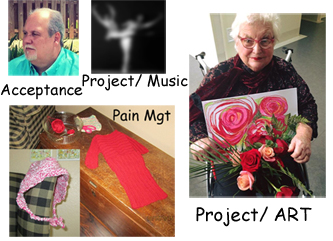
Listed alphabetical by subject: Acceptance, Pain management, Projects: Art, and Music composition,

These are newest pages that I have posted from persons with dementia symptoms
who have shared their lived experience thru words or projects.

(I add the word “symptoms” because not everyone uses the same vocabulary;
my collections include pages from those with diagnosis of
Mild Cognitive Impairment as well as Alzheimers, Lewy Body, Vascular and other types of “dementia”)

I thank each of you for your generosity of letting the public into your private world !
My hope is that your perspectives can be applied to help and encourage
other patients, care-partners, and professionals.

Suggest Right-click the TEXT underneath the description, and select “open-in-new-tab”,
which allows you to return to your original page, by clicking tab at top of window.

616 KevinSmiley 20150526a 2in200ppi

Acceptance from Kevin Smiley at https://truthfulkindness.com/index-persons-with-dementia-pwd/kevin-smiley/oct-2015/;


616 CecilRistow combo 20151015c 3in100ppi

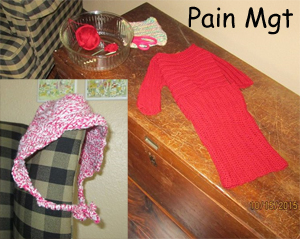
Pain Management from Cecil Ristow at https://truthfulkindness.com/index-persons-with-dementia-pwd/cecil-ristow/oct-2015/;


616 ZelCaddey 20150706a 3in100ppi

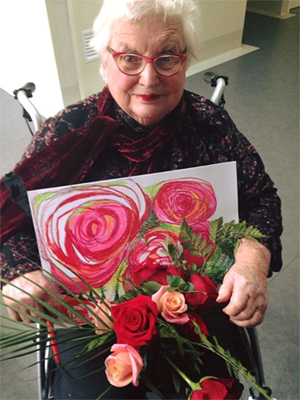
Project of ART from Zel Caddey at https://truthfulkindness.com/index-persons-with-dementia-pwd/zel-caddey/sep-2015/


616 GarryGW pic 20151016a 2in100ppi

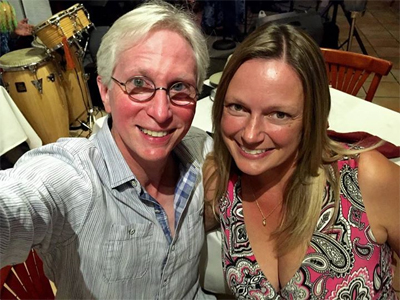
Project of MUSIC composition from Garry George Wilkes at https://truthfulkindness.com/index-persons-with-dementia-pwd/garry-george-wilkes/oct-2015/;


* Admin issues: SHARE dementia awareness thru buttons below. Feel free to leave your thoughts in the form of comments, but please filter your comments with truthful loving kindness to all concerned. If interested in receiving notice of future blog postings, subscriptions are available through a “follow” button in the upper left corner (MS Explorer) or lower right (Safari, Mozilla Firefox and Chrome). If there is an advertisement below, I have no control over what is shown. My own full legal name is Truthful Loving Kindness. My current clinical diagnosis is Mild Cognitive Impairment. Each writer retains full copyright for material on linked pages.

MyFreeCopyright.com Registered & Protected

alzheimers best blogs badge
Healthline

Recent Pages by others with Dementia Symptoms 2015 October

819 blog 20151012a 4in100ppi

Listed alphabetical by subject: advocacy, disorientation, letting-go, relationships, technology, terrors, & value.

These are newest pages that I have posted from persons with dementia symptoms
who have shared their lived experience thru words or projects.

(I add the word “symptoms” because not everyone uses the same vocabulary;
my collections include pages from those with diagnosis of
Mild Cognitive Impairment as well as Alzheimers, Lewy Body, Vascular and other types of “dementia”)

I thank each of you for your generosity of letting the public into your private world !
My hope is that your perspectives can be applied to help and encourage
other patients, care-partners, and professionals.

Suggest Right-click the TEXT underneath the description, and select “open-in-new-tab”,
which allows you to return to your original page, by clicking tab at top of window.

616 KeithO 20150422 pic

Advocacy from Keith Oliver at https://truthfulkindness.com/index-persons-with-dementia-pwd/keith-oliver/oct-2015/;


616 GordS 20150922 colrdLeaf

Disorientation from Gord Settle at https://truthfulkindness.com/index-persons-with-dementia-pwd/gord-settle/sep-2015b/;


616 Stories MarionJames pic color

Letting go from Marion James at https://truthfulkindness.com/index-persons-with-dementia-pwd/marion-james/sep-2015/;


616 Stories BarryPankhurst pic color 2in100ppi


Relationships from Barry Pankhurst at https://truthfulkindness.com/index-persons-with-dementia-pwd/barry-pankhurst/aug-2015/;


616 PaulanGordon Pic 20130316a 2in200ppi

Technology from Paulan Gordon at https://truthfulkindness.com/index-persons-with-dementia-pwd/paulan-gordon/sep-2015/;


616 Norrms pic 20150915

Terrors from Norman McNamara at https://truthfulkindness.com/index-persons-with-dementia-pwd/norman-mcnamara/sep-2015/;


616 SusanMMaroulis pic 20151004

Value from Susan Milo Maroulis at https://truthfulkindness.com/index-persons-with-dementia-pwd/susan-m-maroulis/oct-2015/


* Admin issues: SHARE dementia awareness thru buttons below. Feel free to leave your thoughts in the form of comments, but please filter your comments with truthful loving kindness to all concerned. If interested in receiving notice of future blog postings, subscriptions are available through a “follow” button in the upper left corner (MS Explorer) or lower right (Safari, Mozilla Firefox and Chrome). If there is an advertisement below, I have no control over what is shown. My own full legal name is Truthful Loving Kindness. My current clinical diagnosis is Mild Cognitive Impairment. Each writer retains full copyright for material on linked pages. This page required approximately one hour to complete, aside from creating pages for each writer.
MyFreeCopyright.com Registered & Protected

alzheimers best blogs badge
Healthline

How I Recognize Myself and Others

819 blog 20151006b 4in200ppi

Recognizing self:

Tru here.  Biggest cues for me in recognizing sight of self and loved ones are:
hair length,
hair color,
hair style.

I have always had a lot of very dark hair, usually long and pulled back from my face.  Right now my gray hair surprises me each time I look in mirror, but I still recognize myself.  More difficult when my hair is short, so I wear it long.  (Had been cycling between shaving as gift for Locks of Love then growing long enough to gift again, but now am giving gift to self of recognition.)

I recognize my mother, but she still has long dark hair.  I do not recognize the way my sister looks, or aunts and uncles.

819 blog 20150921a 3in100ppiWhen I no longer recognize myself I suggest that if my hair is dyed that might help, but until that time I like to wear it natural.
I will stretch the recognition time as long as possible by wearing a black head-covering on top of my head, and black snood over my long hair in back.


819 BMPB 1992GRB 3in100ppi

Recognizing spouse:

Again hair makes a big difference, but since he now has very little hair on top of his head, I do not request that he color his hair.  Hair length makes a big difference tho – best if his hair and beard are short like our early years together.  He has always worn a hat during the daytime, so I recognize him more when he wears a hat and has short hair, but my most reliable recognition for both spouse and loved ones is not sight; it is …

sound, and
smell.

So husband makes it a point to speak to me as soon as he wakes.  When he talks I recognize him with no problem.
When my sister speaks I recognize her.  But if I still did not recognize her then I suggest she start singing “They call the wind Maria” or “Oh what a beautiful Morning”.
When other family members speak then I recognize them.

I suggest if loved ones have a “signature scent” that they use the same fragrance they did in the earlier years of our relationship.

I hope to extend the recognition process as long as possible, but even when I no longer recognize loved ones, if it goes like my grandmothers then I will still know these people are important to me.  I may get the relationships jumbled, but please do not pull away from time spent together.

Relationships are what make life worth living.


Related blog entries:

819Ph 196210 Lo2

Music is Connection at https://truthfulkindness.com/2015/08/25/music-is-connection-dementia-symptoms/;

819 Blog 20150618a 11in080ppi

Self-Identity; Am I Still Me at https://truthfulkindness.com/2015/06/07/self-identity-am-i-still-me/;


sunset 20141109 CLBS 6in150ppi

Melancholy Day at https://truthfulkindness.com/2014/11/10/melancholy-day/;

* Admin issues: SHARE dementia awareness thru buttons below. Feel free to leave your thoughts in the form of comments, but please filter your comments with truthful loving kindness to all concerned. If interested in receiving notice of future blog postings, subscriptions are available through a “follow” button in the upper left corner (MS Explorer) or lower right (Safari, Mozilla Firefox and Chrome). If there is an advertisement below, I have no control over what is shown. My own full legal name is Truthful Loving Kindness. My current clinical diagnosis is Mild Cognitive Impairment. I carry copyright for this article on 2015-10/05, which took over 4.5 hrs for text & photos. 

MyFreeCopyright.com Registered & Protected

alzheimers best blogs badge
Healthline
Recent Pages by others with Dementia Symptoms 2015 Sept

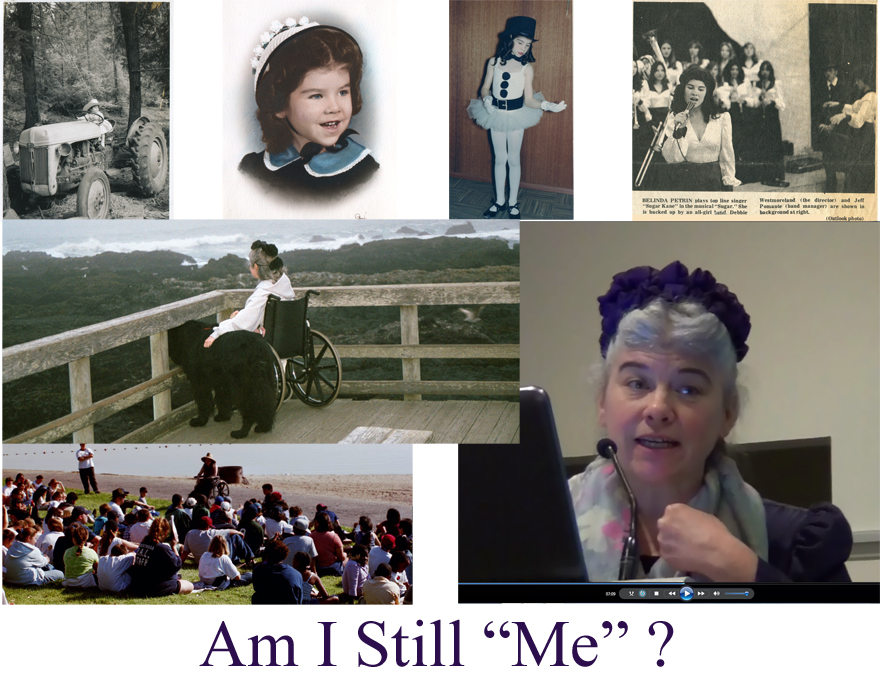
Apologize that it has been so long since I posted an update from my friends.

These are newest pages that I have posted from persons with dementia symptoms
who have shared their lived experience thru words or projects.

(I add the word “symptoms” because not everyone uses the same vocabulary;
my collections include pages from those with diagnosis of
Mild Cognitive Impairment as well as Alzheimers, Lewy Body, Vascular and other types of “dementia”)

I thank each of you for your generosity of letting the public into your private world !
My hope is that your perspectives can be applied to help and encourage
other patients, care-partners, and professionals.

Listed alphabetical my subject: advocacy, communication, crafts, diagnosis, genetics, media sensationalism, re-charging, recipe, research, Rx, spirituality, symptoms, and visiting.

Suggest Right-click the TEXT underneath the description, and select “open-in-new-tab”,
which allows you to return to your original page, by clicking tab at top of window.

616 HarryU UnitdAgnstD 20150818a


Advocacy subject from Harry Urban at https://truthfulkindness.com/index-persons-with-dementia-pwd/harry-urban/advocacy-sept-2015/;


616 HarryU pic4FMN20150928b 5in100ppiCommunication subject from Harry Urban at https://truthfulkindness.com/index-persons-with-dementia-pwd/harry-urban/communication-sept-2015/;

616 HarryU pic 20150902b 4in100ppi

Craft subject from Harry Urban at https://truthfulkindness.com/index-persons-with-dementia-pwd/harry-urban/crafts-sept-2015/;

616 Gord 20150925a 4in100ppi

Craft Re-purposing project from Gord Settle at https://truthfulkindness.com/index-persons-with-dementia-pwd/gord-settle/sept-2015/;

616 Matthew Oliver photo 20150916 YankAlzCap

Diagnosis & genetics are subjects from Matthew Oliver at https://truthfulkindness.com/index-persons-with-dementia-pwd/matthew-oliver/sept-2015/;


616 DavidK pic 20150916a 4in100ppi

Media, Sensationalism, Research are categories from retired Dr David Kramer  at https://truthfulkindness.com/index-persons-with-dementia-pwd/david-kramer/sept-16-2015/;

616 HarryUrban pic 201505


Recharging from Harry Urban at https://truthfulkindness.com/index-persons-with-dementia-pwd/harry-urban/recharging-sept-2015/;


616 Stories CecilR pic color 20140926a 1in200ppi

Recipe (Easier Eggs) from Cecil Ristow at https://truthfulkindness.com/index-persons-with-dementia-pwd/cecil-ristow/sept-2015/;


616 DavidKramer 20150524a 2in200ppiResearch (Biogen) is subject from retired Dr David Kramer at https://truthfulkindness.com/index-persons-with-dementia-pwd/david-kramer/aug-2015/;

Rx: (Aricept-Donepezil) is subject from retired Dr David Kramer  at https://truthfulkindness.com/index-persons-with-dementia-pwd/david-kramer/sept-26-2015/;


616 Footprints 4in075ppi

Spiritual life and Dementia from Harry Urban at https://truthfulkindness.com/index-persons-with-dementia-pwd/harry-urban/spiritual-sept-2015/;


616 AndrewG 20150926 pic steamTrain

Symptom affects from Andrew Garvey at https://truthfulkindness.com/index-persons-with-dementia-pwd/andrew-garvey/sept-2015/;


616 JenniferBute Poppies 20150731b 3in100ppi

“Visiting” from retired Dr Jennifer Bute at https://truthfulkindness.com/index-persons-with-dementia-pwd/jennifer-bute/sept-2015/;


* Admin issues: SHARE dementia awareness thru buttons below. Feel free to leave your thoughts in the form of comments, but please filter your comments with truthful loving kindness to all concerned. If interested in receiving notice of future blog postings, subscriptions are available through a “follow” button in the upper left corner (MS Explorer) or lower right (Safari, Mozilla Firefox and Chrome). If there is an advertisement below, I have no control over what is shown. My own full legal name is Truthful Loving Kindness. My current clinical diagnosis is Mild Cognitive Impairment. Each writer retains full copyright for material on linked pages.
MyFreeCopyright.com Registered & Protected

alzheimers best blogs badge
Healthline